
Co-Development Software in 2026: Strategic Team Scaling and Best Practices
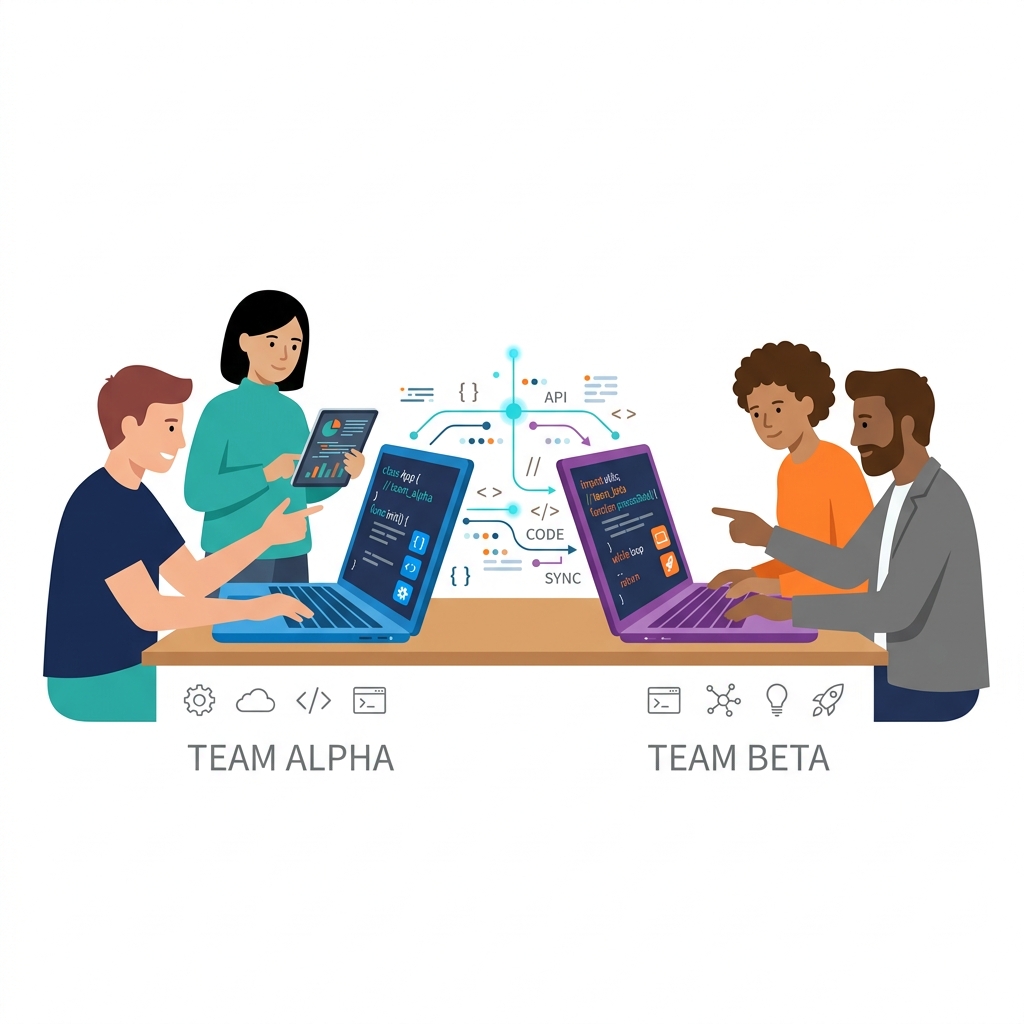
Modern tech leaders face relentless pressure to ship features faster, modernize legacy codebases, and integrate artificial intelligence capabilities. However, recruiting seasoned in-house developers takes an average of 45 to 60 days per hire, slowing roadmap velocity to a crawl.
Direct Answer: Co-development software is a collaborative engineering model where an external technology partner embeds specialized developers, architects, or QA testers directly into your internal development team, operating in your Git repositories, attending your daily standups, and shipping code under your direct technical leadership.
At Scenic IT Solutions, we provide flexible co-development software teams to funded startups and enterprise engineering departments. Here is your definitive guide to executing a successful co-development strategy in 2026.
⚡ Key Takeaways
- Software co-development embeds external senior engineers directly into your internal product team, working in the same repositories and sprint cycles.
- Unlike disconnected black-box outsourcing, co-development guarantees continuous knowledge transfer and shared code ownership.
- Enables fast-growing companies to scale specialized technical capabilities (AI, cloud DevOps, frontend architecture) in days rather than months.
- Eliminates recruitment agency fees and long hiring cycles while maintaining complete management oversight of the product roadmap.
- Strict pull request reviews, automated CI/CD pipelines, and unified communication tools (Slack/Jira) are essential for co-development success.
1. What Is the Co-Development Software Model and How Does It Work?
The Direct Answer: Co-development (also known as team augmentation or collaborative software engineering) breaks down the barrier between internal staff and external vendors, creating a single unified engineering unit focused on shared sprint goals.
In traditional outsourcing, a client hands off specifications to an outside agency and waits weeks for a finished deliverable—often resulting in mismatched expectations and unusable code.
In a co-development arrangement, external engineers function exactly like your full-time employees: they join your Slack channels, pick up tickets in your Jira board, write code on your branches, and submit pull requests reviewed by your internal tech lead.
2. Co-Development vs. Traditional Outsourcing vs. In-House Hiring (Table)
The Direct Answer: This comparison matrix demonstrates how co-development delivers the speed and control of in-house hiring with the flexibility and cost advantages of global tech partnerships.
| Model | Project Control | Onboarding Speed | Knowledge Retention | Cost Flexibility |
|---|---|---|---|---|
| Co-Development | 100% In-House Technical Control | Fast (1 to 2 Weeks) | High (Continuous Knowledge Transfer) | High (Scale Up or Down Monthly) |
| Traditional Outsourcing | Low (Vendor Manages Delivery) | Medium (Requires Rigid SOW) | Low (Vendor Retains Context) | Fixed Project Contracts |
| In-House Full-Time Hiring | 100% In-House Technical Control | Slow (2 to 4 Months Recruitment) | High (Retained in Employees) | Rigid (High Fixed Payroll Liabilities) |
3. Core Strategic Benefits: Velocity, Knowledge Transfer & Cost Efficiency
The Direct Answer: Co-development allows businesses to scale engineering capacity in days, gain immediate access to niche technical expertise (such as cloud architecture, Next.js, or AI modeling), and reduce developer payroll overhead by 40% to 60%.
- Zero Recruitment Friction: Skip tedious job postings, resume screening, and HR negotiations; access pre-vetted senior developers immediately.
- Cross-Pollination of Skills: Your internal junior developers learn modern architectural patterns, testing disciplines, and clean code habits from experienced external senior leads.
- Elastic Budgeting: Ramp up engineering capacity during major product sprints, and scale back when the product enters steady-state maintenance.
4. Engineering Culture, Git Branching & Unified CI/CD Workflows
The Direct Answer: Seamless co-development requires standardized development environments, strict GitFlow branching conventions, automated CI/CD testing pipelines, and shared sprint ceremonies.
Both in-house and co-development engineers should follow the exact same code standards: ESLint configurations, unit test requirements, and automated deployment pipelines in GitHub Actions or GitLab CI.
5. Intellectual Property, Data Security & Strict Non-Disclosure Agreements
The Direct Answer: Secure co-development through binding international NDAs, comprehensive IP assignment agreements, role-based code repository permissions, and isolated staging environments with sanitized test data.
External developers should never access production databases containing sensitive customer PII. Using synthetic test datasets and credential managers (such as 1Password or AWS Secrets Manager) ensures maximum enterprise security compliance.
6. Best Practices for Managing Blended In-House and External Teams
The Direct Answer: Treat co-development engineers as equal team peers: include them in retrospective meetings, celebrate sprint wins together, maintain clear documentation in Notion or Confluence, and establish transparent overlapping communication windows.
Management Tip: Avoid creating an "us versus them" dichotomy. When all engineers collaborate toward identical sprint objectives on a shared Kanban board, productivity soars.
7. Conclusion: Accelerating Your Software Roadmap Through Co-Development
The Direct Answer: Co-development offers the ultimate competitive advantage for modern digital organizations: the ability to scale engineering velocity on demand while keeping total ownership of source code, architecture, and company vision.
At Scenic IT Solutions, our senior full-stack engineers integrate seamlessly into client engineering teams worldwide. Discover how we can accelerate your technical roadmap by reviewing our offshore engineering services or exploring our core technical capabilities.
Frequently Asked Questions
What is the main difference between staff augmentation and co-development?
While staff augmentation often involves renting individual commodity coders to fill temporary seats, co-development involves embedding dedicated, proactive engineers who contribute to architecture, testing, and team velocity.
How fast can a co-development team be onboarded?
At Scenic IT Solutions, vetted senior engineers can be integrated into your Slack, Jira, and Git repositories within 5 to 10 business days following technical screening.
Who manages the co-development engineers on a daily basis?
Your internal technical lead or product manager directs daily sprint assignments and reviews pull requests, while our client delivery manager handles developer HR, equipment, and administrative support.
Can we interview and technically vet candidate developers before they join?
Yes, absolutely. We encourage client technical leads to conduct live technical interviews, review GitHub code samples, and administer coding tests to ensure a perfect technical and cultural fit.
How are co-development contracts structured?
Co-development partnerships typically operate on dedicated monthly developer retainers with simple 30-day notice periods, providing total flexibility without long-term employment liabilities.
📚 Related Articles & Recommended Reading

Scale Your Engineering Team with Vetted Senior Developers
Overcome technical talent shortages and ship features faster. Integrate experienced full-stack engineers from Scenic IT Solutions into your team today.
Build Your Co-Development Team