
How AI-Driven Personalization Increases E-Commerce Conversion Rates
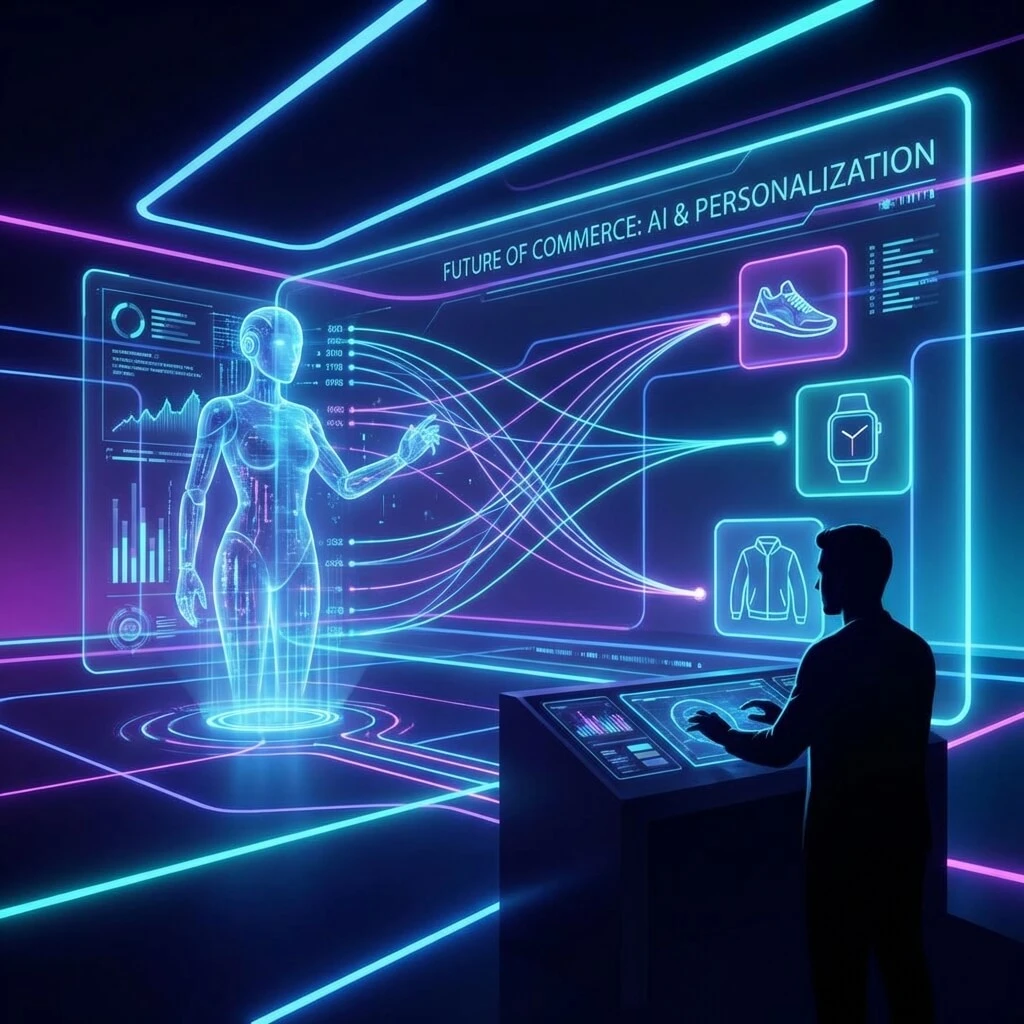
Imagine walking into a physical boutique where the shelves rearrange themselves the moment you step inside. The products you were thinking about appear at eye level, in your favorite colors, accompanied by a personalized discount tailored to your browsing history.
Direct Answer: AI-driven personalization uses machine learning algorithms to analyze real-time visitor behavior, historical purchases, and search intent to automatically customize product recommendations, banner offers, and navigation menus, lifting e-commerce conversion rates by 15% to 30% and dramatically reducing cart abandonment.
In 2026, the era of generic, one-size-fits-all digital storefronts is over. At Scenic IT Solutions, we help merchants engineer intelligent, data-driven online stores that convert casual visitors into repeat buyers.
⚡ Key Takeaways
- AI-driven personalization replaces static product grids with dynamic, real-time shopping journeys tailored to each visitor.
- Implementing machine learning recommendation algorithms reduces cart abandonment by up to 25% and lifts average order value (AOV) by 15%.
- Collaborative filtering and natural language processing (NLP) search engines eliminate choice paralysis by predicting user intent.
- Dynamic geo-pricing, intelligent bundle suggestions, and automated exit-intent triggers turn bouncing traffic into paying customers.
- Custom e-commerce platforms built on Laravel or headless frameworks provide superior data integration compared to rigid template stores.
1. What Is AI-Driven E-Commerce Personalization and Why Does It Matter?
The Direct Answer: AI-driven e-commerce personalization is the automated tailoring of every customer touchpoint—product feeds, pricing, search queries, and email triggers—using predictive machine learning models rather than manual marketing rules.
Customer acquisition costs (CAC) across Google and Meta advertising have risen by over 40% in recent years. Retailers can no longer afford to dump expensive paid traffic into static storefronts. The only sustainable path to profitability is maximizing the revenue generated from every unique visitor.
By pairing advanced analytics with predictive algorithms, modern online retailers create continuous 1-to-1 shopping experiences that delight shoppers and drive lifetime loyalty.
2. The Failure of One-Size-Fits-All: Eliminating Choice Paralysis
The Direct Answer: Traditional online stores overwhelm shoppers with hundreds of unfiltered products, creating cognitive overload and "choice paralysis" where confused visitors abandon the site without purchasing.
When a prospective customer lands on your homepage, you have less than three seconds to capture their interest. If a returning female athlete looking for running shoes is greeted by generic menswear promotions, she bounces immediately.
AI eliminates this friction by instantly restructuring the homepage categories, hero banners, and featured items based on past browsing sessions, geographical climate, and referral traffic sources.
3. How Machine Learning Recommenders Work: Collaborative vs. Content-Based
The Direct Answer: Modern e-commerce recommendation engines employ two primary algorithmic models: collaborative filtering (identifying patterns among similar shopper cohorts) and content-based filtering (recommending items with matching attributes).
- Collaborative Filtering: "Customers with similar browsing journeys also purchased X." The system discovers hidden correlations between disparate products that human merchandisers would never spot.
- Content-Based Filtering: "Because you purchased a 100% merino wool sweater, here are matching cashmere scarves." The engine analyzes item metadata, fabric, brand, and color palettes.
- Semantic Vector Search: Replacing rigid keyword matching with AI vector search that understands natural language queries, typos, and conversational descriptions (e.g., "warm casual outdoor dinner outfit").
4. Dynamic Pricing, Real-Time Geo-Targeting & Predictive Cart Recovery
The Direct Answer: Advanced AI engines monitor real-time purchase intent signals to dynamically deploy localized shipping estimates, personalized volume discounts, and machine-timed exit-intent offers before shoppers leave the checkout flow.
Rather than blasting generic 10% discount pop-ups to everyone—which unnecessarily erodes profit margins—AI models only trigger incentives for visitors displaying high indecision behavior, such as repeatedly toggling between size options or hovering over the close tab button.
Proven Metric: Intelligent predictive cart recovery workflows achieve 3x higher click-to-purchase rates compared to static, scheduled abandoned cart emails.
5. Traditional E-Commerce vs. AI-Powered Personalization (Comparison Matrix)
The Direct Answer: This comparison matrix highlights the fundamental operational differences between legacy online storefronts and modern AI-driven retail engines.
| Store Component | Traditional E-Commerce Approach | AI-Driven Personalized Approach |
|---|---|---|
| Homepage Banners | Static seasonal banner hardcoded for all visitors. | Dynamic banners matching user gender, weather, and past interest. |
| On-Site Search | Literal string matching; returns zero results on slight typos. | Semantic NLP understanding intent, synonyms, and visual attributes. |
| Cross-Selling | Manual "Related Products" chosen once by a store admin. | Algorithmic bundle recommendations updated in real-time. |
| Cart Recovery | Generic 24-hour delayed email with standard promo code. | Omnichannel personalized SMS/email triggered at optimal read times. |
| Conversion Rate (Avg) | 1.5% – 2.2% across global retail averages. | 3.2% – 4.8%+ with multi-touch personalization engines. |
6. Step-by-Step Implementation: Integrating AI into Custom and CMS Stores
The Direct Answer: Implement AI personalization by auditing your customer event tracking, choosing between headless microservice APIs or modular CMS plugins, training your recommendation models on clean historical order data, and running continuous A/B split tests.
Whether your store is running on WooCommerce, Shopify, or a custom Laravel architecture, integrating AI requires clean, structured data pipelines. For high-volume merchants, custom Laravel e-commerce development offers unparalleled database control and API flexibility for proprietary machine learning pipelines.
7. Conclusion: The Future of High-Converting Digital Retail
The Direct Answer: AI-driven personalization is no longer an optional luxury reserved for Amazon and retail conglomerates; it is a foundational survival requirement for modern e-commerce brands looking to scale profitably in 2026.
At Scenic IT Solutions, we engineer scalable, custom e-commerce stores equipped with modern data architectures, fast Core Web Vitals, and seamless AI integration. Get in touch with our team to discover how intelligent retail software can accelerate your sales growth.
Frequently Asked Questions
How much does AI personalization increase e-commerce conversion rates?
On average, e-commerce stores that implement automated, real-time AI personalization experience a 15% to 30% increase in overall conversion rates and a 10% to 20% lift in Average Order Value (AOV).
Can AI personalization be added to an existing WooCommerce or Shopify store?
Yes. Existing stores can integrate AI engines via specialized APIs (such as Algolia, Nosto, or custom OpenAI/TensorFlow endpoints) to power search, recommendations, and email triggers.
How much historical data is required before an AI recommendation engine becomes effective?
Most collaborative filtering engines require at least a few hundred orders and a few thousand product page views to begin spotting reliable patterns, while content-based models can begin recommending immediately based on product tags.
Does AI personalization negatively affect website loading speed?
Not when implemented correctly. AI recommendation models should be queried asynchronously via high-speed edge APIs or background pre-fetching to prevent blocking primary page render times.
Is AI-driven tracking compliant with GDPR and CCPA privacy regulations?
Yes, modern AI recommendation engines operate on anonymized session tokens and first-party event data, avoiding the need for invasive third-party cross-site cookies.
📚 Related Articles & Recommended Reading


Ready to Supercharge Your E-Commerce Conversions?
Build a high-performance, AI-ready online store with Scenic IT Solutions. Let our engineering team optimize your customer journey and maximize retail revenue.
Consult an E-Commerce Specialist